Green Electronics Recycling: Protect the Planet While Getting Rid of Your Devices
The rising concern of e-waste presents significant ecological problems. Many old equipment carry harmful materials that can contaminate soil and water. Reprocessing electronics gives an answer by recovering valuable components and reducing pollution. However, not all reprocessing methods are equal. Comprehending the intricacies of ethical removal is essential. Investigating the effects and advantages of eco-friendly electronics reprocessing reveals critical insights that can influence personal choices and local practices.
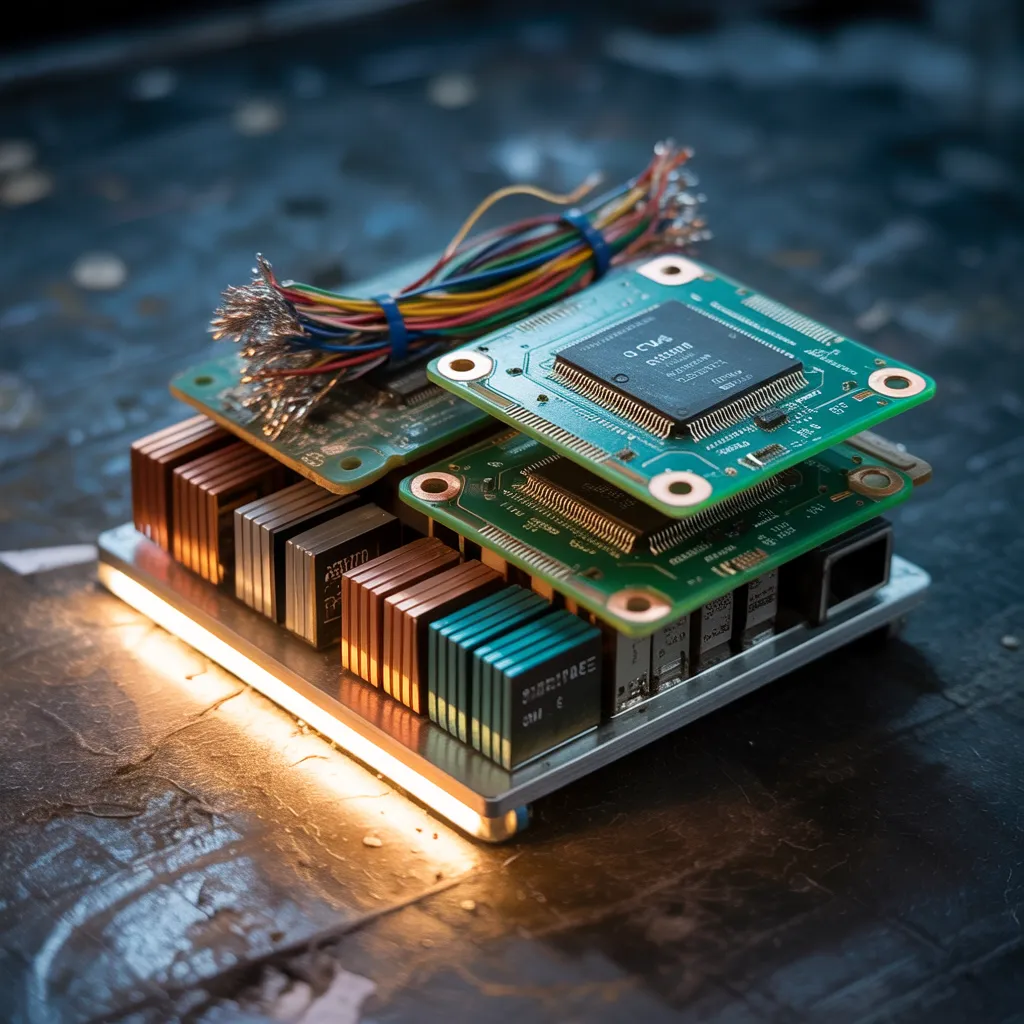
The Ecological Footprint of E-Waste
The surge in usage of electronic devices has provoked a growing crisis: e-waste. This waste constitutes obsolete electronics that contain toxic materials, including lead, mercury, and cadmium. When improperly disposed of, these substances can seep soil and water systems, creating substantial hazards to human health and ecosystems. The accumulation of e-waste in landfills exacerbates these issues, as the breakdown of electronic components liberates toxic chemicals into the environment. Additionally, e-waste contributes to resource depletion; valuable metals like gold and copper are often lost rather than salvaged. In many regions, poor management practices for e-waste further complicate the situation, leading to increased pollution and habitat destruction. As the demand for new technology continues to rise, the environmental impact of e-waste becomes a pressing concern, calling for urgent action to mitigate its effects and promote sustainable practices in electronics disposal.
Why Discarding electronics responsibly Counts
Understanding the significance of electronics recycling is critical in dealing with the escalating e-waste crisis. As technology develops, the volume of discarded electronics continues to grow, posing significant environmental risks. Improper disposal can lead to hazardous materials leaching into soil and water, damaging ecosystems and human health.
Reprocessing of electronics tackles these dangers by ensuring that valuable resources, including metals and plastics, are salvaged and reused. This process reduces the demand for new raw materials, consequently protecting natural resources and decreasing energy consumption linked to production.
Additionally, recycling aids in reducing greenhouse gas emissions dependent on manufacturing. By supporting conscientious waste handling techniques, communities can build a mindset of green living and ecological guardianship. Ultimately, electronics recycling is not simply an option; it is an important element of a comprehensive method to develop a fresher, more wholesome planet for subsequent generations.
What Ways Help You Determine Reusable Electronic devices?
How can consumers figure out which electronic devices are able to be recycled? Identifying recyclable electronics find guide requires assessing various considerations. First, people should check for particular recycling symbols or labels, which indicate the product's ability to be recycled. Common recyclable items include smartphones, laptops, tablets, and televisions, as they frequently contain materials that can be reused.
Next, people must think about the age and status of the equipment; outdated gadgets are often more likely to be recyclable due to obsolescence. Furthermore, regional regulations play a significant part; many local areas establish guidelines on which devices can be recycled.
Finally, referring to manufacturer resources or recycling programs can help explain which devices are accepted in recycling initiatives. By following these steps, individuals can make informed decisions about their electronics, contributing to a more eco-friendly method to waste management.
Sustainable Electronics Disposal Guidelines
Addressing eco-friendly electronic equipment discarding necessitates that you first determine the types of electronic waste that demand proper handling. Next, picking ethical recycling options assures that these substances are treated in an environmentally safe manner. This tactic not only mitigates garbage and promotes sustainable practices in the community.
Recognize E-Waste Classifications
E-waste covers a variety of discarded electronic devices that present environmental hazards if not properly managed. Typical forms of e-waste include computers, laptops, smartphones, tablets, televisions, and printers. Household appliances such as microwaves, refrigerators, and air conditioners also belong to this category. Additionally, smaller electronics like gaming consoles, chargers, and batteries contribute to the increasing e-waste issue. Each of these items contains harmful materials, including heavy metals and toxic substances, which can seep into the soil and water if discarded improperly. Recognizing these types of e-waste is essential for proper disposal, making sure that individuals and organizations can take appropriate steps towards sustainable recycling and environmental protection. Proper identification is the first step in responsible e-waste management.
Select Ethical Recycling Choices
Choosing thoughtful recycling approaches is important for lowering environmental impact. People should find authorized e-waste recycling stations that conform to both local and international regulations. Such facilities confirm that toxic substances are handled properly, preventing contamination of soil and water. Moreover, many companies offer take-back initiatives, allowing consumers to safely return old devices. Working together with community recycling events can also strengthen responsible disposal efforts, giving accessible options for all. It is vital to examine and confirm the credibility of recycling partners to ensure they value eco-friendly practices. By choosing wisely and utilizing available resources, consumers can support a sustainable future while effectively managing electronic waste.
How to Pick the Top Electronics Waste Management Program?
When assessing the top electronics recycling program, people should emphasize environmental responsibility and compliance with regional guidelines. A reputable program will follow industry standards, guaranteeing that hazardous materials are handled safely and responsibly.
Also, people should examine the program's accreditation, such as R2 (Responsible Recycling) or e-Stewards, which indicate compliance with strict environmental and ethical guidelines. Transparency is also vital; programs should distinctly explain their recycling processes and provide details on how materials are reused or disposed of.
Assessing customer reviews and testimonials can give a clear view into the program's reliability and performance. Additionally, accessibility and user-friendliness are key factors; individuals should pick a program that is accessible and offers several drop-off or pick-up options. In the end, choosing the right electronics recycling program supports not only sustainability efforts but also guarantees compliance with local laws and regulations.
Major Positive Impacts of Properly Recycling Your Electronics
Recycling tech devices provides significant ecological safeguards benefits by reducing hazardous waste and curtailing pollution. Furthermore, it serves a crucial function in preserving natural resources, enabling valuable materials to be recovered and reused. These merits underscore the importance of responsible e-waste management in advancing an environmentally sound tomorrow.
Environmental Protection Benefits
Electronics reuse plays an vital role in safeguarding the environment by significantly reducing electronic waste, which often contains toxic substances. When improperly disposed of, these materials can leach into soil and waterways, creating serious health risks for ecosystems and communities. By reprocessing electronics, dangerous compounds such as lead, mercury, and cadmium are safely managed, preventing pollution. Additionally, recycling helps decrease the demand for landfills, which often struggle with overflowing waste and toxic runoff. Through responsible disposal practices, valuable components are recovered, promoting a cleaner environment. Moreover, recycling initiatives raise awareness about eco-friendly habits, encouraging individuals and businesses to make environmentally conscious decisions. Ultimately, electronics recycling fosters a healthier planet for future generations.
Conservation Resource Influence
Recycling electronics is a crucial method for resource conservation, significantly reducing the extraction of raw materials. Through reprocessing old devices, valuable metals like gold, silver, and copper are recovered and reused, which decreases the need for new resource extraction. This method not only safeguards natural habitats but also cuts down energy consumption linked to mining and refining. Moreover, recycling electronics diminishes the environmental impact caused by waste disposal, since discarded devices often include hazardous substances. By promoting material reuse, recycling supports a circular economy, where resources are continually recycled rather than thrown away. Ultimately, electronic recycling plays a key part in sustainable resource management, ensuring that future generations have access to necessary materials without using up the planet’s resources.
What Approaches Can Assist You Advocate for Electronic equipment Recycling Knowledge?
Boosting awareness of the importance of responsible e-waste treatment can materially influence ecological protection. Organizations and individuals can serve as essential partners in this movement by utilizing varied platforms to raise awareness the public. Digital campaigns, practical workshops, and community programs are impactful mechanisms to relay information about the advantages of equipment recycling.
Working with local schools, businesses, and environmental groups can boost these efforts. Providing clear, accessible resources about recycling options, such as drop-off locations and collection events, stimulates participation.
Compelling narrative underlining the dangers of improper disposal and success stories of effective recycling initiatives can resonate with audiences. Additionally, pushing for legislation that promote recycling infrastructure and motivate participation can establish lasting impact. By fostering a culture of stewardship regarding electronic waste, advocates can help guarantee a healthier planet for future generations.
Commonly Asked Inquiries
May I Reprocess Electronics Without Removing Private Details Initially?
Disposing of electronics without deleting personal data is not advisable. Sensitive information could be viewed by others, leading to privacy breaches. Ethical recycling requires secure deletion or device destruction to guarantee private data is protected.
Where Do My Gadgets Go Following Reprocessing?
Following material recovery, products are dismantled, with reusable resources sourced for future use. Risky substances are safely processed, preventing ecological damage. Ultimately, material recovery guarantees responsible disposal, maintaining supplies and minimizing landfill contributions while promoting environmental consciousness.
Are There Charges for Disposing of Electronics?
Charges for electronic waste recycling can vary according to location and organization. Some facilities provide free services, while others may charge a small fee, especially for larger items or specific types of electronic waste.
How Often Should I Dispose of My Old Devices?
People should contemplate recycling their old devices every one to two years, or whenever they upgrade to new technology. Consistent reuse helps reduce electronic waste and guarantees responsible disposal of outdated electronics.
Is it Feasible to Donate Electronics Rather than Recycling Them?
Yes, giving electronics is a practical option instead of recycling. Many organizations accept functional devices, providing a second life to the items while benefiting those in need. Ensuring they meet donation criteria is crucial.